
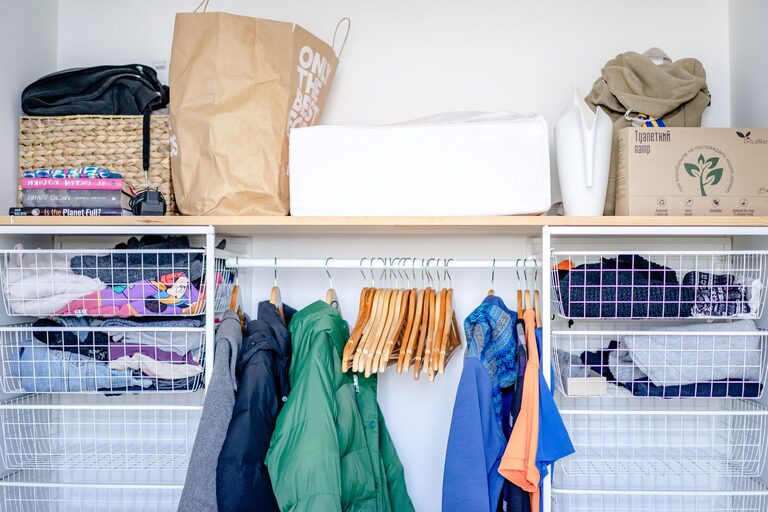
Storing seasonal clothes efficiently is a smart way to free up space, keep your wardrobe organized, and protect your garments for months when they’re not in use. Whether you’re packing away bulky winter coats or delicate summer dresses, having a reliable system can save you time and effort next season. Here’s a detailed guide on how to store your seasonal clothes efficiently.
Why Proper Storage Matters
Before diving into the tips, it’s important to understand why proper storage makes a difference:
– Protects your clothes from dust, pests, and wrinkles
– Preserves fabric quality and colors
– Maximizes closet and home space
– Makes seasonal transitions easier and faster
With that in mind, let’s explore effective strategies for storing seasonal garments.
Step 1: Sort and Declutter
Before storing anything, it’s best to sort through your clothes.
What to Do:
– Separate by season: Group together summer clothes, winter clothes, etc.
– Check condition: Inspect each piece for stains, damage, or wear.
– Decide what to keep: If you haven’t worn something in over a year, consider donating or recycling it.
– Clean everything: Wash or dry clean clothes before storage to prevent odors and pests.
Step 2: Choose the Right Storage Containers
Picking the right storage containers helps maintain your clothes in great condition.
Options to Consider:
– Plastic bins with lids: Durable, stackable, and protect from moisture and pests.
– Breathable fabric bags: Good for delicate fabrics; they allow air circulation.
– Vacuum-sealed bags: Save space by compressing bulkier items but avoid long-term storage with some fabrics as they may crease.
– Storage boxes under the bed: Utilize unused space efficiently.
Tips:
– Label containers clearly with their contents.
– Avoid cardboard boxes, as they can attract pests and absorb moisture.
Step 3: Prepare Clothes for Storage
How you prepare clothes affects how well they hold up over time.
Cleaning:
– Always clean clothes before storing. Dirt and oils attract insects.
– Follow specific care instructions to avoid damage.
Folding vs. Hanging:
– Fold bulky items: Sweaters and knitwear fold better to prevent stretching.
– Hang delicate or wrinkle-prone items: Use padded hangers and cover with breathable garment bags.
Use Cedar or Lavender:
– Add cedar blocks or lavender sachets to storage containers to repel moths naturally and keep a fresh scent.
Step 4: Store Clothes in the Right Environment
The storage environment is crucial for maintaining clothes.
– Keep away from direct sunlight: Sunlight can fade fabrics.
– Choose a cool, dry place: Avoid damp basements or hot attics.
– Ensure good ventilation: Prevent mustiness and mold.
– Avoid overpacking containers: Give clothes room to breathe.
Step 5: Organize for Easy Access
When the next season arrives, you’ll want a hassle-free way to find what you need.
Organizing Tips:
– Group clothes by type (e.g., sweaters, pants) within each container.
– Create an inventory list or photo of what’s inside each bin.
– Stack containers in a logical order so you can retrieve them without unpacking everything.
Bonus Tips for Special Items
– Leather garments: Store in breathable bags, condition before storage.
– Shoes: Clean, stuff with paper, and store in boxes or racks.
– Accessories: Use small containers or organizers to keep scarves, hats, and gloves tidy.
Conclusion
Efficient storage of seasonal clothes not only keeps your wardrobe neat but also extends the life of your garments. By sorting carefully, choosing the right containers, preparing your clothes properly, storing them in suitable conditions, and organizing thoughtfully, you’ll enjoy seamless seasonal transitions year after year.
Try out these steps this season and see how much easier managing your wardrobe can be!