
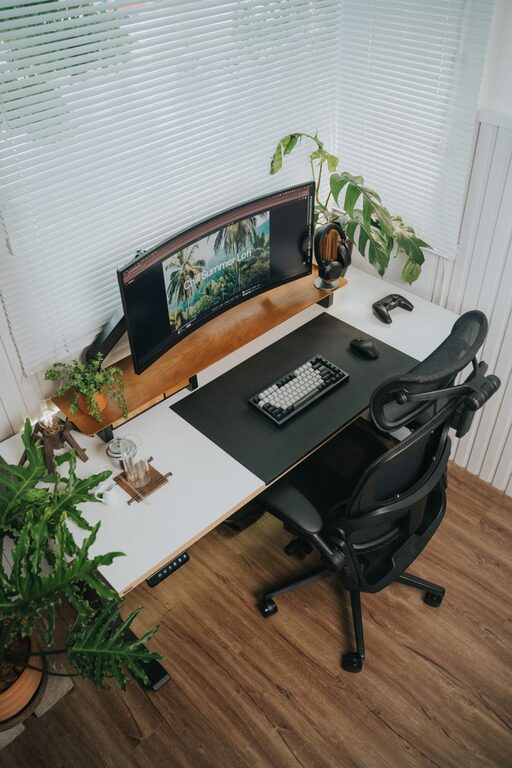
Creating a workspace that encourages focus and comfort is essential for productivity and overall well-being. Whether you work from home or in an office, your desk setup plays a significant role in how efficiently you can work and how your body feels during long hours. In this post, we’ll explore practical desk setup tips designed to help you stay focused and comfortable all day.
Why a Good Desk Setup Matters
A well-designed desk setup reduces distractions, prevents physical discomfort, and promotes better posture. When your workspace is organized and ergonomically sound, you can maintain concentration longer and avoid common issues such as eye strain, back pain, or fatigue.
Choosing the Right Desk and Chair
Ergonomic Desk Height
The height of your desk should allow your forearms to be parallel to the ground when typing or writing. Most desks range between 28 to 30 inches in height, but adjustable desks are becoming popular because they can be tailored to your needs.
Comfortable and Supportive Chair
Investing in an ergonomic chair is crucial. Look for chairs with adjustable height, lumbar support, and armrests. Your feet should rest flat on the floor, and your knees should be at a 90-degree angle.
Consider a Standing Desk Option
If you prefer, consider a sit-stand desk or a desk converter. Alternating between sitting and standing can improve circulation and reduce fatigue.
Monitor Placement and Display Settings
Position Your Monitor Correctly
Place your monitor about an arm’s length away and position the top of the screen at or slightly below eye level. This helps prevent neck strain and keeps your posture upright.
Use Multiple Monitors Wisely
If you use two or more monitors, position them to minimize excessive head turning. Align them so you can easily see both screens with minimal movement.
Adjust Brightness and Contrast
Set your screen brightness to match your room lighting to reduce eye strain. Consider using blue light filters or software that adjusts color temperature, especially during evening hours.
Organizing Your Desk for Focus
Keep Essentials Within Reach
Arrange frequently used items—like your keyboard, mouse, phone, pen, and notebook—within easy reach. This reduces distractions caused by searching for things.
Declutter Regularly
A clean desk promotes better focus. Remove unnecessary items and tidy your workspace at the end of each day.
Use Desk Organizers
Trays, file holders, and drawer organizers help keep papers and supplies organized. Cable organizers prevent wires from tangling or cluttering your desk.
Lighting Tips for Comfort
Natural Light is Best
If possible, position your desk near a window to take advantage of natural light. Natural light can boost mood and energy levels.
Add Task Lighting
Use a desk lamp with adjustable brightness and direction to reduce eye strain. Position the lamp so it doesn’t create glare on your screen.
Avoid Harsh Overhead Lighting
Bright, fluorescent overhead lights can be tiring. Soft, diffused lighting creates a more comfortable environment.
Enhancing Comfort With Accessories
Use a Keyboard and Mouse That Fit Your Hands
Ergonomic keyboards and mice can help reduce strain on your wrists. Choose ones that fit your hand size and typing style.
Add a Wrist Rest
A wrist rest can provide additional support when typing or using a mouse.
Incorporate a Footrest
If your feet don’t comfortably reach the floor, a footrest can promote better posture and circulation.
Consider Plants and Personal Touches
Adding small plants or meaningful decor can create a pleasant workspace that feels inviting and reduces stress.
Establishing Good Habits
Take Regular Breaks
Use a timer to remind yourself to stand, stretch, and look away from the screen every hour. This helps reduce fatigue and eye strain.
Maintain Good Posture
Check your posture regularly. Your back should be straight, shoulders relaxed, and wrists neutral when typing.
Stay Hydrated and Nourished
Keep a bottle of water nearby and snack healthily to maintain energy and focus.
Final Thoughts
Optimizing your desk setup for focus and comfort requires attention to ergonomics, organization, and lighting. Small adjustments can make a big difference in how you feel and perform throughout your workday. Invest the time to create a workspace tailored to your needs—your body and mind will thank you!